Flower Monogram Ornament Wedding: Elegant Design for Digital & Print
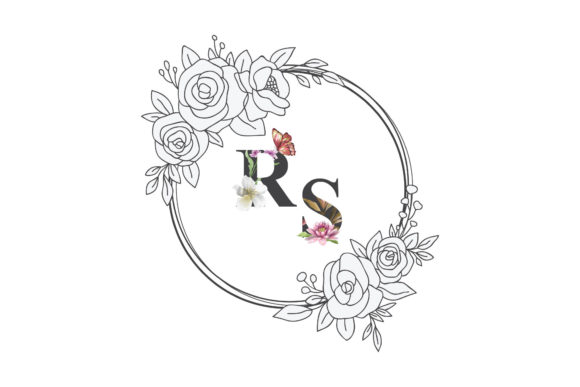
There’s a specific kind of design challenge that comes with creating assets for weddings, high-end branding, or bespoke stationery. You need something that feels personal, timeless, and intricate, yet it must be flexible enough to work across a dozen different applications—from a wax seal on an envelope to a hero image on a website. This is where the intersection of floral illustration and typography shines. A well-crafted monogram isn't just a set of letters; it’s a visual story. The "Flower Monogram Ornament Wedding" concept captures this perfectly, offering a design framework that blends botanical elegance with personal initials, making it a versatile asset for designers, crafters, and small business owners alike.
Beyond the Initial: The Visual Appeal of Floral Monograms
What makes a floral monogram so compelling? It’s the combination of structure and organic flow. Letters provide the recognizable, structured element—the anchor of identity. Flowers and ornamental flourishes introduce softness, romance, and visual interest. This design style taps into a deep well of aesthetic traditions, from Victorian-era stationery to modern botanical branding. It communicates care, attention to detail, and a sense of celebration. For a wedding, it’s inherently romantic. For a small business, particularly in fields like floristry, boutique retail, or artisanal goods, it suggests quality, craftsmanship, and a personal touch that mass-produced logos often lack.
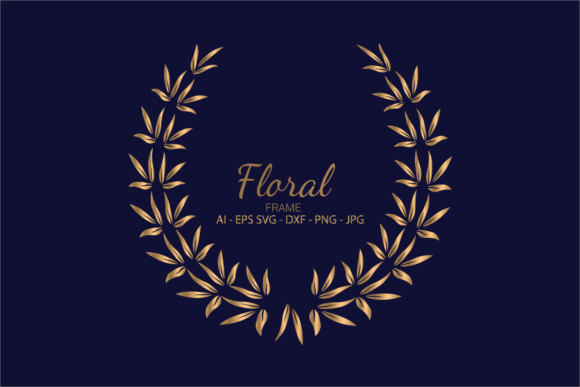
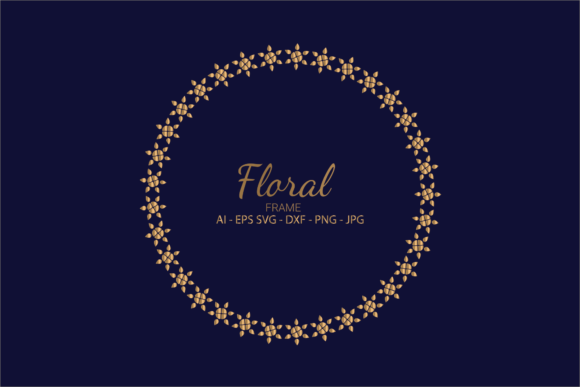
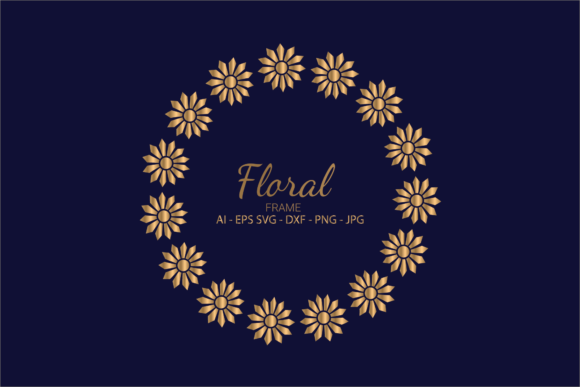
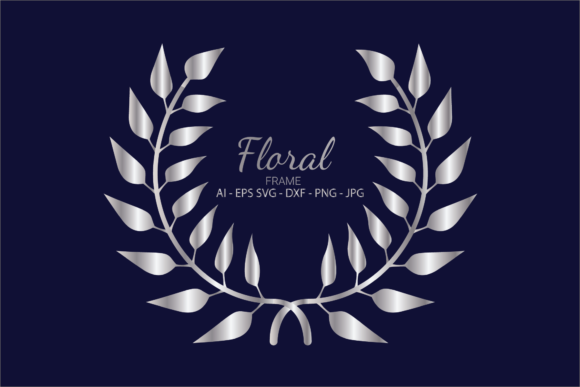
The specific asset described—available as a high-resolution coffee illustration canvas at 1920px by 1280px and in six key vector and raster formats—is built for practical use. The inclusion of AI, EPS, and SVG files is critical. These are vector formats, meaning the design can be scaled from the size of a postage stamp to a billboard without losing a single pixel of clarity. This is non-negotiable for professional logo design, packaging, and large-format printing like posters or signage. The DXF file opens the door for crafters using cutting machines like Cricut or Silhouette, allowing them to create physical decals, stencils, or iron-on transfers. Meanwhile, the JPG and PNG files (the latter likely with a transparent background) are ready for immediate use in digital projects: social media graphics, website banners, blog post headers, and digital invitations.
Practical Applications: From Brand Identity to Handmade Goods
Understanding the file types is one thing; envisioning their use is another. Let’s break down how this kind of design asset translates into real-world projects.
- Branding & Logo Design: This is a natural fit. A floral monogram can serve as a primary logo mark for a boutique brand, a wedding planning service, or a lifestyle blog. It can also function as a secondary brand element—a watermark, a favicon, or a decorative seal for packaging. The key is that it builds immediate visual recognition and conveys the brand's personality—elegant, artisanal, and detailed.
- Packaging & Print Materials: Imagine this monogram embossed on a box, printed on tissue paper, or stamped onto a gift tag. It elevates unboxing into an experience. For print, it’s perfect for business cards, letterheads, thank-you cards, and especially wedding suites (save-the-dates, invitations, programs, menus). The vector files ensure crisp printing on any material.
- Digital Presence: Consistency across digital platforms is vital. Use the monogram as a profile picture, a watermark on photos, or an integral part of social media templates for Instagram stories or Pinterest pins. On a website, it can anchor the header, decorate section breaks, or add flair to an "About Us" page. For bloggers and content creators, it’s a powerful way to brand visual content and make it instantly recognizable in a crowded feed.
- Mercantile & Editorial: Think beyond the obvious. This design could adorn the cover of a wedding magazine, illustrate a recipe card in a cookbook, or become the central motif on a line of merchandise like tote bags, mugs, or notebooks. For editorial layouts, it adds a sophisticated decorative element that doesn’t overwhelm the text.
Designing with Intention: Pairing, Readability, and Licensing
Having a beautiful design asset is only the start. Using it effectively requires some design thinking.
Font Pairing is Key: A highly ornamental monogram like this should be paired with simpler, cleaner typography. If the monogram is used as a logo, the accompanying business name or tagline should be in a legible sans-serif or a simple serif font. The contrast allows the monogram to shine as the decorative focal point while the supporting text remains clear and functional. Avoid pairing it with another script or highly decorative font, as this creates visual chaos and hurts readability.
Consider the Context: Where will this design live? A monogram that looks stunning on a wedding invitation might become an illegible blur if used as a small favicon in a browser tab. Always test the design at the intended size. The detailed floral elements need room to breathe. For very small applications, you might need to simplify or use just a portion of the design.
Understand the License: This is a crucial, often overlooked step. For any commercial use—whether you’re a designer creating a logo for a client, a small business owner putting it on products for sale, or a crafter selling finished items—you must ensure the license permits this. A "premium font" or "commercial font" license typically allows for these uses, but it’s your responsibility to read the terms. Does it cover unlimited projects? Can the end product be sold? Clarifying this upfront protects you and your business legally and financially.
A Tool for Visual Storytelling
Ultimately, a design like the Flower Monogram Ornament Wedding is more than just a pretty picture. It’s a tool for visual storytelling. It allows you to inject a specific mood—romantic, elegant, classic, botanical—into a project with a single, cohesive element. For a small business, it helps build a brand identity that feels cohesive and professional. For a crafter, it provides a high-quality starting point for creating unique, personalized items. For a designer, it’s a versatile asset that can save hours of work while delivering a custom feel.
The real value lies in its adaptability. That coffee-toned illustration canvas provides a warm, inviting aesthetic perfect for certain brands, but the vector files mean you can recolor it to match any palette. You can isolate the floral elements, rearrange the letters, or integrate it into a larger layout. It’s a starting point for your creativity, not a rigid final product. By choosing assets that offer this kind of flexibility and professional-grade file formats, you’re investing in the quality and scalability of your work, ensuring that your designs look polished and intentional, whether they’re printed on fine paper or displayed on a retina screen.