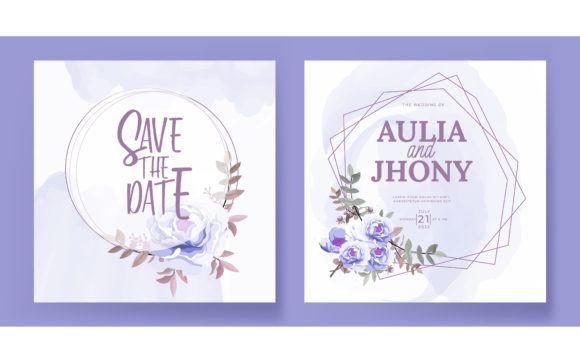
Vintage Wedding Invitation: Downloadable EPS and JPG Files
There’s something undeniably magnetic about a design that feels like it has a story to tell. It doesn’t just sit on a page; it whispers of lace, old letters, and timeless elegance. For designers and creators, capturing that specific, nostalgic atmosphere is a powerful tool, and having the right assets on hand can transform a project from merely good to genuinely memorable. That’s the appeal of a well-crafted vintage aesthetic—it connects on an emotional level, offering a sense of history and romance that modern, minimalist trends often bypass.
When you’re working on a project that calls for this kind of character, whether it’s for a client’s special day or your own brand’s visual identity, starting with a high-quality foundation is key. A thoughtfully designed vintage-inspired graphic set, like the one we’re discussing, provides that foundation. It’s more than just a pretty picture; it’s a versatile design asset ready to be adapted, customized, and brought to life across a multitude of creative applications.
Understanding the Visual Language of This Design Style
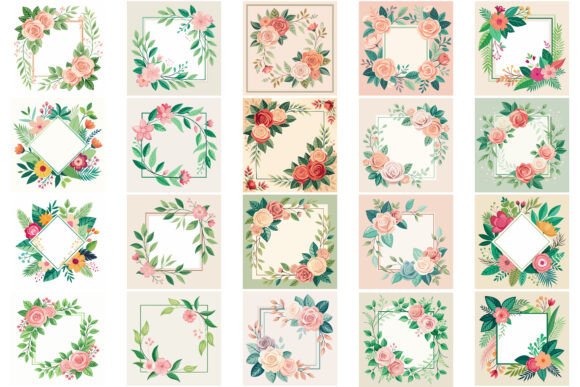
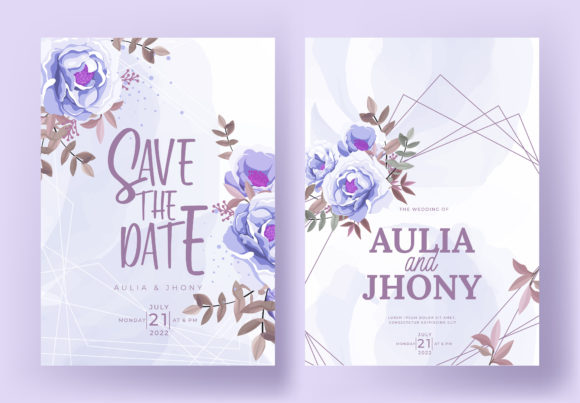
What makes a vintage wedding invitation design so visually compelling? It’s rarely about a single element, but rather a harmonious combination of details. Think of delicate, hand-drawn flourishes that frame the text, a color palette that might lean towards soft creams, blush pinks, or deep burgundies, and typography that feels both personal and elegant. The texture is crucial—this style often incorporates subtle grain or distressed effects that mimic aged paper, giving the digital file a tangible, organic quality.
This particular aesthetic excels because it balances ornamentation with readability. The decorative borders and motifs serve to draw the eye inward, guiding the viewer to the most important information, which is typically presented in a clear, classic serif or a flowing script font. This interplay between the ornate and the functional is what makes it so effective for communication. It’s beautiful, but it never sacrifices its primary purpose: to convey a message with grace and clarity.
Practical Applications Beyond the Envelope
While the name suggests a specific use, the true value of a vintage wedding invitation file lies in its adaptability. For a graphic designer or small business owner, this asset can become a cornerstone for a range of projects. Consider its potential in branding and logo design. A bakery specializing in artisanal goods, a boutique event planner, or a floral studio could extract specific elements—the floral wreath, the decorative frame—to create a cohesive brand mark that feels established and trustworthy.
The applications extend seamlessly into the digital and physical realms:
- Social Media Graphics: Use the design as a background or overlay for Instagram posts, Facebook banners, or Pinterest pins to instantly convey a romantic, handmade, or premium vibe.
- Website and Blog Design: Incorporate the patterns or borders as subtle website accents, section dividers, or featured image backgrounds to reinforce brand identity and visual consistency.
- Packaging and Merchandise: Imagine this design on a wax seal for stationery, a label for a specialty food product, or printed on tote bags. It adds immediate perceived value and a story to the product.
- Print Materials and Editorial Layouts: It’s perfect for menu designs, program booklets, thank you cards, or even as a feature in a magazine editorial about timeless style.
For the creative entrepreneur or hobbyist, it’s a gateway to professional-looking projects. Creating custom party decorations, personalized gifts, or digital products like printable art becomes straightforward when you start with a polished, cohesive file.
Maximizing the Asset: EPS and JPG Formats
The provided file formats are chosen to offer maximum flexibility for different workflows and skill levels. Understanding their differences ensures you can use the design to its full potential.
The EPS file is the powerhouse for customization. It requires a vector-based program like Adobe Illustrator (or alternatives like Affinity Designer or the open-source Inkscape). Because it’s vector-based, you can scale it to any size—from a tiny favicon to a giant banner—without losing a pixel of quality. More importantly, you can edit it. This means you can change colors to match a specific brand palette, alter text to say whatever you need, rearrange or remove individual elements, and truly make the design your own. For any commercial project or branding work, the EPS is your starting point.
The JPG file is your ready-to-use option. It’s a high-resolution raster image, perfect for situations where you don’t need to edit the core design. You can drop it directly into a Canva template, use it as a background in social media graphics, or print it as-is for personal invitations or wall art. It’s the convenient, quick-start solution for many digital and print applications where the original text and layout are exactly what you need.
Making It Your Own: Design and Readability Considerations
Having a beautiful asset is one thing; using it effectively is another. Here’s some practical advice for integrating this style into your work:
First, consider your project’s goal. Is the vintage feel the main attraction, or should it be a supporting element? For a wedding invitation, it can be the star. For a modern tech company’s brochure, you might use just a subtle texture or a single ornamental line from the design as an accent to add warmth without overwhelming the clean layout.
Second, font pairing is critical if you’re editing the EPS file. The design likely comes with its own beautiful typography, but if you’re adding new text, choose complementary fonts. A classic serif often pairs well with a simple sans serif for body text. Avoid adding more than two or three font styles to maintain visual harmony and readability. Always print a test copy or view it on different screens to check how the text holds up against the decorative background.
Finally, understand your licensing. The terms for commercial use are vital. Always review the license that comes with your download. Can you use it in end products for sale? Is attribution required? Knowing this upfront protects you and your clients, ensuring your beautiful design project is also legally sound. This level of professionalism is what separates hobbyists from trusted designers and business owners.
In the end, a resource like a vintage wedding invitation design file is a bridge between imagination and execution. It provides a professional starting point that saves hours of drawing from scratch, allowing you to focus on the creative strategy and unique details that make each project special. It’s about having a reliable, beautiful piece in your toolkit that you know will deliver that touch of timeless elegance whenever you need it.