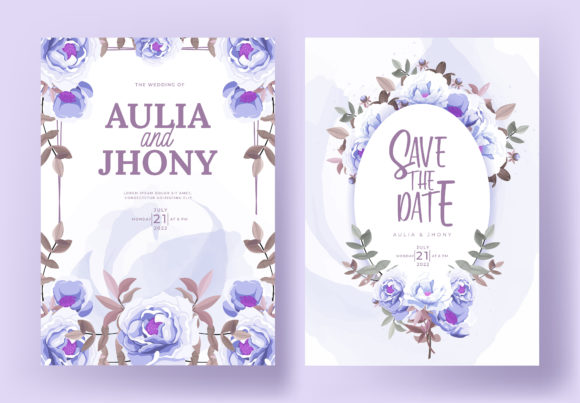
Wedding Card Template: Crafting Invitations That Tell Your Story
Every couple has a unique story, and the journey to their wedding day is filled with moments that deserve to be celebrated. The invitation is often the first tangible piece of that story guests receive, setting the tone for the entire event. It’s more than just a piece of paper or a digital file; it’s a promise, a preview, and a keepsake. Finding the right design foundation can transform this important task from a source of stress into a joyful part of the planning process, allowing your personality to shine through from the very first impression.
The Visual Language of Modern Nuptials
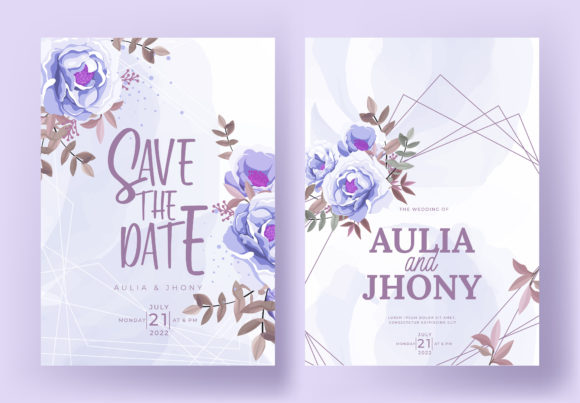
A well-crafted Wedding Card Template serves as a versatile starting point. Think of it as a beautifully designed canvas waiting for your personal details. Its visual appeal lies in a thoughtful balance of elegance and clarity. Typically, these designs feature sophisticated typography, harmonious layouts, and subtle decorative elements that feel both contemporary and timeless. The goal is to create a sense of anticipation and romance without overwhelming the essential information. Whether the style leans towards minimalist chic, rustic charm, or classic formality, the template provides a cohesive framework that ensures every element—from the couple's names to the venue details—works together in perfect harmony.
This kind of design asset is invaluable because it solves a core challenge: achieving professional-level aesthetics without requiring advanced graphic design skills. The structure guides the eye naturally, making the invitation easy to read while still feeling special. It’s this combination of beauty and function that makes a premium template a wise investment for any couple, planner, or small business in the wedding industry.
Beyond the Envelope: A Multitude of Creative Applications
While its primary purpose is clear, the utility of a sophisticated layout like this extends far beyond a single event. For designers and entrepreneurs, it represents a flexible component in a larger creative toolkit. Consider how the elegant typography and balanced composition can be repurposed. The script or serif font used for headings could become the cornerstone of a bridal boutique's brand identity. The color palette and decorative motifs can inspire packaging design for wedding favors or stationery.
The applications are remarkably broad:
- Social Media Graphics: Adapt the design for Instagram announcements, Pinterest pins, or Facebook event covers, ensuring visual consistency across all digital platforms.
- Blog and Website Elements: Use sections of the design to create beautiful blog headers, featured images, or website banners for a wedding planning site or photographer's portfolio.
- Print Collateral: Extend the theme to thank-you cards, table numbers, menus, and ceremony programs, creating a seamless guest experience.
- Digital Products and Marketing: Wedding planners and designers can use the template as a basis for client mockups or as part of a larger suite of digital products they sell.
This adaptability makes it a powerful tool for maintaining a cohesive brand identity, especially for small businesses in the event industry. Using the same visual language across invitations, social media, and marketing materials builds recognition and conveys a strong sense of professionalism.
Choosing Your Creative Toolkit: File Formats That Empower Your Workflow
A crucial aspect of any design asset is the format it comes in, as this determines how you can use and edit it. A high-quality Wedding Card Template package will typically include versatile file options to suit different skill levels and software preferences. Two of the most common and useful formats are EPS and JPG.
The EPS (Encapsulated PostScript) file is the powerhouse for customization. This vector-based format requires software like Adobe Illustrator to open and edit. Its major advantage is infinite scalability; you can resize the design to anything from a small favor tag to a large poster without any loss of quality. Every single element—text, shapes, lines—is fully editable. You can change fonts, alter colors, move objects, and completely tailor the layout to your exact vision. This format is ideal for designers, print professionals, or anyone who wants complete creative control and pixel-perfect results.
The JPG (Joint Photographic Experts Group) file offers immediate convenience. As a high-resolution raster image, it can be opened with virtually any photo viewer or basic editing software. This is perfect for quick, straightforward projects. You might use a JPG to upload the design to an online printing service, incorporate it directly into a digital invitation platform, or use it as a static background in a presentation. While you cannot edit individual components (like changing a specific word), you can often add text overlays using simple tools. It’s the go-to for users who need a beautiful, ready-to-use design without the learning curve of professional vector software.
Making It Your Own: Practical Tips for Personalization
Once you have your chosen file, the real fun begins. Personalization is what transforms a generic template into your unique invitation. If you're working with the EPS file in Adobe Illustrator, start by exploring the layers. You'll likely find text on separate layers, making it easy to click and type your details. Don't be afraid to experiment with the color palette—swap a blush pink for a dusty blue or change a gold foil effect to a rose gold to match your wedding theme perfectly.
Consider the typography carefully. The template will have selected font pairings that work well together, but you can adjust sizes for emphasis. Maybe you want your names to be larger and more dramatic. Ensure that the body text with the event details remains highly legible. Print a test copy on your home printer to check how the colors and sizing translate to physical paper. This step is often overlooked but is critical for ensuring the final product looks as intended.
For those using the JPG file, focus on the text overlay. Use a clean, simple font for your personal details that complements the decorative font in the design without competing with it. Keep the text aligned consistently, usually centered for a formal look. Many online editors allow you to adjust opacity and add subtle shadows, which can help your text stand out against a detailed background.
Ensuring a Cohesive and Professional Presentation
The ultimate goal of using any design asset is to elevate your project's overall presentation. A cohesive visual story builds trust and engagement. When your wedding invitation, website, and social media all share a common visual thread, it creates a memorable and professional brand experience for your guests or clients. This principle applies directly to small businesses. A wedding photographer using a consistent style across their portfolio, business cards, and online ads appears more established and reliable.
Readability should always be the final checkpoint. Before sending anything to print or publishing online, review the text from a distance. Can the date, time, and location be understood at a glance? Is there enough contrast between the text and the background? These practical considerations ensure your beautiful design also functions perfectly, delivering the necessary information clearly and effectively. By starting with a strong, versatile template and applying thoughtful customization, you create more than just an invitation—you create the first chapter of a beautiful story.
Wedding Card Template: Your First Impression, Perfected
There’s a unique kind of magic in the moment you open a wedding invitation. It’s not just paper and ink; it’s the tangible whisper of a celebration to come. For couples, planners, and designers, crafting that perfect first impression is both a joy and a challenge. A thoughtfully designed template becomes less of a shortcut and more of a collaborator—a foundational piece of art that you get to finish. It provides the visual grammar of elegance, allowing your personal story to fill in the details.
The Anatomy of an Effective Design
What separates a forgettable template from one that truly inspires? It often boils down to a few key visual principles executed with care. First, there's the typography. A successful design will typically pair a expressive script or serif font for names and headlines with a clean, highly legible sans-serif for the essential details. This contrast creates hierarchy and visual interest, guiding the eye effortlessly from the romantic flourish of your names to the practical information about the venue and RSVP.
Beyond the fonts, the composition matters. Look for layouts that use space intelligently. Ample white space, or negative space, isn't empty—it's breathing room that prevents the design from feeling cramped and chaotic. Subtle decorative elements, like delicate botanical borders, geometric frames, or watercolor washes, add personality without overwhelming the text. The color palette, too, plays a critical role. A well-chosen template might offer a versatile scheme—a soft neutral base with one or two accent colors—that can be easily adapted to match any wedding theme, from rustic barn to sleek city loft.
A Versatile Asset for Multiple Creative Ventures
While the primary use is clear, the value of a high-quality design asset like this extends far beyond a single event. For creative professionals and entrepreneurs, it’s a versatile component in a larger toolkit. Think of it as a masterclass in balanced layout and elegant typography that you can deconstruct and apply elsewhere.
- Brand Identity & Logo Design: The elegant script used for the couple’s names can become the logotype for a boutique wedding planning service, a florist, or a calligraphy business. The overall aesthetic can inform the brand’s entire visual language.
- Social Media & Digital Content: Adapt the design elements for Instagram story templates, Facebook event headers, or Pinterest graphics. The cohesive look ensures your digital presence feels as polished as the physical invitation.
- Print & Packaging: The motifs and color schemes can inspire thank-you card designs, favor tags, or even the packaging for a small business selling artisanal wedding goods.
- Editorial & Web Design: Use the layout principles to structure a beautiful blog post about wedding planning or to design an elegant “About Us” page for a creative studio.
This adaptability makes it a smart investment. You’re not just buying a one-time-use file; you’re acquiring a set of design principles and aesthetic cues that can elevate multiple projects, ensuring visual consistency across different mediums and strengthening brand recognition for any business in the creative space.
Practical Considerations: From Digital File to Tangible Keepsake
Choosing your template is the first step. The next is understanding the tools you need to bring it to life. The file formats provided—typically an EPS and a JPG—cater to different needs and skill levels.
The EPS file is the key to full customization. This vector format requires Adobe Illustrator, but it offers unparalleled control. Every element is editable: you can change the color of a single leaf in the border, swap the script font for a different premium typeface, adjust kerning, or completely reorganize the layout. This is essential for designers or anyone who wants a truly unique result that doesn’t look “off the shelf.” It ensures your design is scalable, meaning it will look crisp and perfect whether printed on a small tag or a large welcome sign.
The JPG file offers immediacy and ease. It’s a high-resolution image that can be opened and edited with basic software like Canva, Photoshop, or even some online editors. This is ideal for those who love the design as-is and just need to add their personal details via text layers. It’s perfect for digital invitations or for uploading directly to a professional printer’s website. The key is to start with a high-enough resolution JPG to avoid pixelation in the final print.
Before you commit, always test the template. Download a sample if possible, or zoom in on the provided preview to check the detail quality. For the EPS, ensure the fonts are either included or are common ones you already own. For the JPG, confirm the resolution is at least 300 DPI for quality printing.
Ensuring Clarity and Cohesion in Your Final Product
The most beautiful design fails if it doesn’t communicate clearly. This is where practical readability considerations come into play. When personalizing your template, always prioritize the legibility of the core information: the who, what, when, and where. A fancy script font might look gorgeous for your names, but if it’s too ornate for the smaller details, pair it with a simple, clean sans-serif.
Print a test page. Hold it at arm’s length. Can you easily read the time and address? Is there enough contrast between the text and the background color? These real-world checks are non-negotiable. They bridge the gap between a design that looks good on screen and one that functions perfectly in the hand.
Finally, think about the ecosystem of your event. If you’re using this template for the main invitation, consider how it will pair with other elements. Can the color scheme be carried over to the RSVP card, the menu, and the wedding website? Creating this cohesive visual journey from the first envelope opening to the last dance is what elevates a wedding from a series of events to a fully realized, immersive experience. It’s the hallmark of thoughtful design, turning a beautiful template into the cornerstone of a memorable celebration.